A storm rolls through Ridgeland, a limb comes down across your roof, and the first question most homeowners ask is simple: does homeowners insurance cover tree removal in Ridgeland, MS? The honest answer is "sometimes" — it depends on what caused the tree to fall and what it hit. Below, we break down exactly when your policy pays, when it doesn't, and what to budget for out of pocket.
Does Homeowners Insurance Cover Tree Removal? The Short Answer
Yes, but only under specific conditions. Homeowners insurance may cover tree removal, but it varies on a case-by-case basis. The trigger isn't the tree itself, it's what caused it to fall and whether it damaged something your policy insures.
Covered perils for tree removal usually include heavy winds from hurricanes and tornadoes, hailstorms, heavy rainfall, lightning, snow or ice from winter storms, and vandalism or malicious mischief. Ridgeland sees its share of these, especially spring thunderstorms and the occasional ice event. If one of these perils knocks a tree onto your house, garage, or driveway, removal is usually part of the claim.
When Homeowners Insurance Covers Tree Removal
Your policy generally pays for tree removal when:
- A covered peril (wind, hail, lightning, ice) causes the tree to fall
- The tree lands on an insured structure, like your home, garage, or fence
- The tree blocks your only driveway or a wheelchair ramp
Your insurance may also pay for a tree's removal if it is blocking a driveway or handicap assistance ramp , even if the tree didn't technically hit anything. That exception catches a lot of homeowners off guard in a good way.
In the storm-damage claims we've helped Ridgeland and Madison County homeowners document, insurers almost always ask for proof the tree was healthy before the wind took it down, not just photos of the aftermath. That distinction matters more than most people expect, which is why documentation (covered later in this guide) makes such a difference.
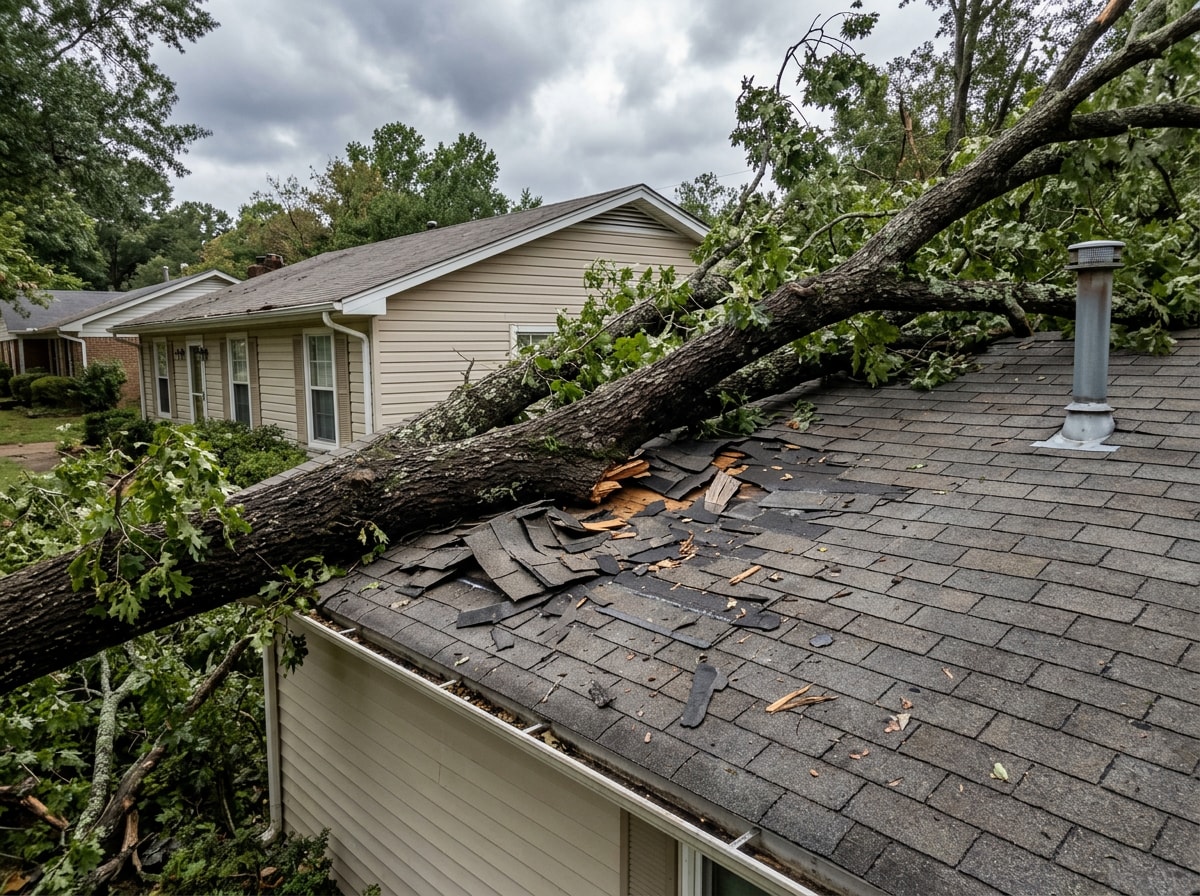
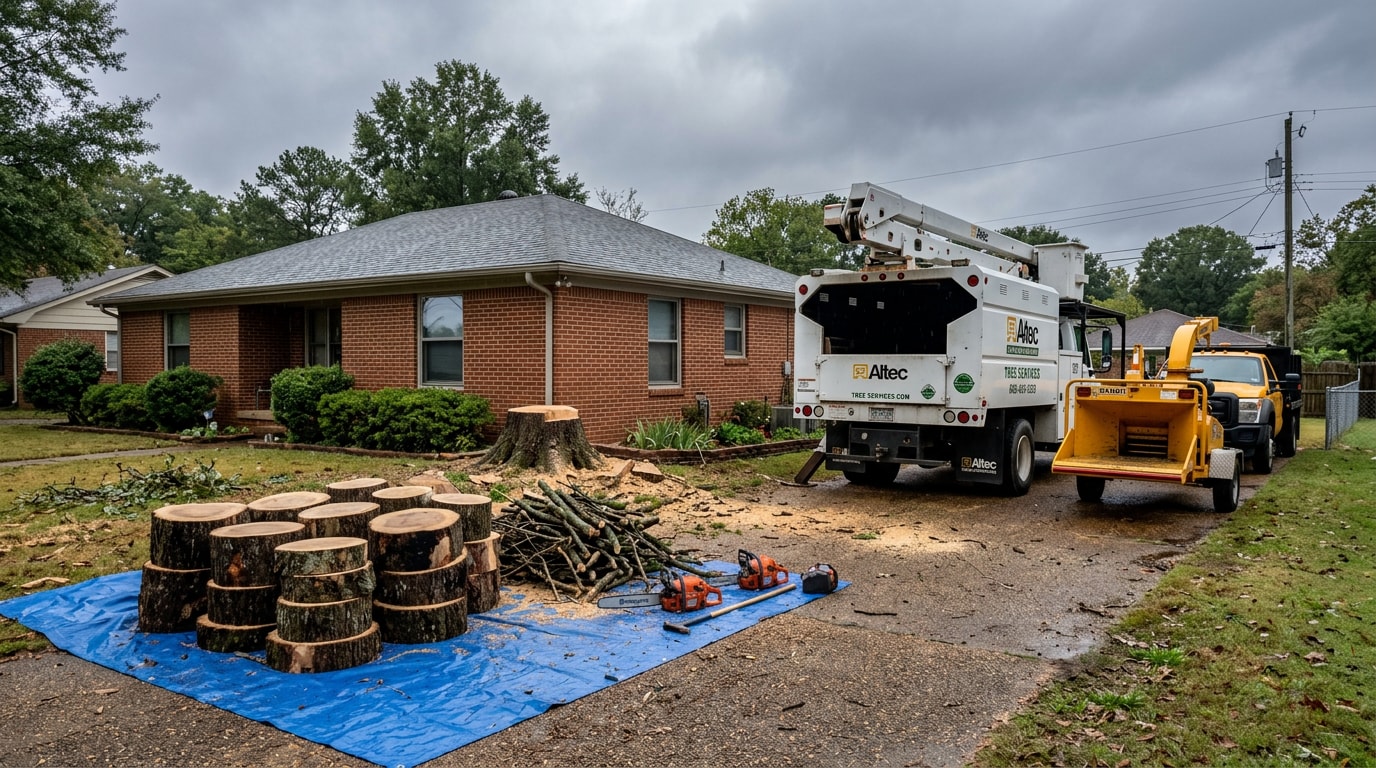
If a tree comes down during a storm and you need it off your roof fast, speed matters for both safety and claims. Our emergency tree removal crews handle these calls regularly, and our guide on emergency response times in the Jackson metro explains what to expect when you call after hours.
When Homeowners Insurance Does NOT Cover Tree Removal
This is where most denied claims come from. Insurance typically won't pay when:
- A tree falls in your yard but doesn't damage a covered structure
- You're removing a tree preventatively, before it falls
- The tree fell because of neglect, rot, or disease you knew about
- The cost falls below your deductible
No matter how precarious the tree is, your homeowners insurance policy probably doesn't cover its preventative removal. Insurers treat proactive tree work as routine property maintenance, not an insurable event, no matter how real the risk looks.
Dead and dying trees get denied for a related reason. If a tree was visibly declining and the insurer can show you should have addressed it, they may deny the claim even though the tree technically fell during a storm. Keeping an eye on tree health isn't just good yard care, it protects your claim history too.
| Scenario | Typically Covered? |
|---|---|
| Tree falls on house during a windstorm | Yes, subject to sub-limit |
| Tree falls on driveway, blocking the only exit | Often yes |
| Tree falls in yard, no damage | No |
| Tree removed preemptively before it falls | No |
| Dead tree falls after known decay | Often denied |
How Much Will Insurance Pay for Tree Removal?
Even when a claim is approved, the payout is usually smaller than homeowners expect. Details depend on the policy, but debris removal is generally capped at $500 to $1,000. That limit typically applies per occurrence, not per tree, so a storm that drops three trees on your property still may only trigger one combined payout.
This sub-limit sits separately from your dwelling coverage, which pays for the actual structural repairs (roof, siding, framing). If a tree hits your home or another insured structure, such as a detached garage, your standard homeowners policy covers the damage to the structure as well as any damage to contents. Removal is the add-on, not the main event.
Landscaping itself (the tree or shrub as a plant) is covered even more narrowly. The total payment to restore landscape damage typically maxes out at 5 percent of the amount for which the home is insured. So a $300,000 dwelling policy might cap total tree and shrub replacement around $15,000, split across every plant lost in the loss.
For perspective on real-world payouts, the median amount insurance companies paid for settled tree claims was $4,110 in one national member survey, most of that going to structural repair rather than removal itself.
Dwelling Coverage vs. Other Structures: Which One Pays?
Your Mississippi homeowners policy splits property coverage into two buckets, and tree damage can trigger either one depending on what got hit.
Dwelling coverage pays to repair your main house, the roof, siding, and framing damaged when a tree lands on it. Other structures coverage, usually set around 10% of your dwelling limit, covers detached garages, sheds, fences, and carports. If a tree flattens a fence line or crushes a shed, the smaller other-structures limit applies, and it can run out fast if one storm hits multiple structures at once.
Most homeowners policies sold in Mississippi are HO-3 (special form), HO-5 (comprehensive), or similar forms , and each handles sub-limits slightly differently, so it's worth pulling your declarations page and checking the actual dollar figures rather than assuming.
What If a Neighbor's Tree Falls on Your Property?
This question comes up constantly, and the answer surprises people: it's usually your own insurance that pays first. If your home is damaged by a neighbor's tree, your homeowners policy may cover the damage, and your insurance company may seek to recoup some of the cost from your neighbor's policy through a process known as subrogation.
The reverse is also true. If your tree falls on your neighbor's home, their property insurance company would pay them for damages , not yours directly, though your liability coverage can come into play if negligence is involved (say, you knew the tree was dying and did nothing).
Replacement Cost vs. Actual Cash Value: What You Actually Get Paid
Once a claim is approved, your policy's valuation method decides the real number on the check, and it can swing your payout by thousands of dollars.
| Valuation Method | How It Pays | Example |
|---|---|---|
| Replacement Cost (RCV) | Repairs at today's material and labor prices, no depreciation deducted | New roof costs $12,000; insurer pays $12,000 |
| Actual Cash Value (ACV) | Replacement cost minus depreciation for age and wear | Same 15-year-old roof; insurer pays roughly $6,000 |
If your policy is ACV-based and your roof is already a decade old when a tree hits it, don't expect a check that covers a brand-new roof. Ask your agent which valuation method applies before you need it, not after.
Understanding Your Deductible
Most homeowners policies sold in Mississippi have an optional deductible amount, which you pay out of pocket to repair damage to your home or its contents before the insurance company pays the claim. That deductible applies to the whole claim, including the tree removal portion, not as a separate line item.
For example, if your deductible is $1,500 and the total covered loss (structural repair plus removal) comes to $2,000, you're only collecting $500 from the insurer. Homeowners sometimes assume removal is reimbursed on top of the deductible; it isn't. The deductible applies first, across the entire claim.
How Much Does Tree Removal Cost in Ridgeland, MS in 2026?
Even when insurance covers part of the job, most homeowners still pay something out of pocket, either the deductible, the gap above the sub-limit, or the full bill if the claim is denied.
| Tree Size | Typical Cost Range (Ridgeland, 2026) |
|---|---|
| Small (under 30 ft) | $400 – $800 |
| Medium (30–60 ft) | $800 – $1,500 |
| Large or hazardous (over 60 ft, near power lines/structures) | $1,500 – $2,500+ |
Size, lean, and accessibility move the price more than anything else. A tree tangled in power lines or leaning over a roof costs significantly more to remove safely than one standing alone in an open yard. Getting a baseline quote from a local Ridgeland tree removal crew before storm season gives you a number to compare against whatever the insurer eventually offers.
What Does Stump Removal Cost?
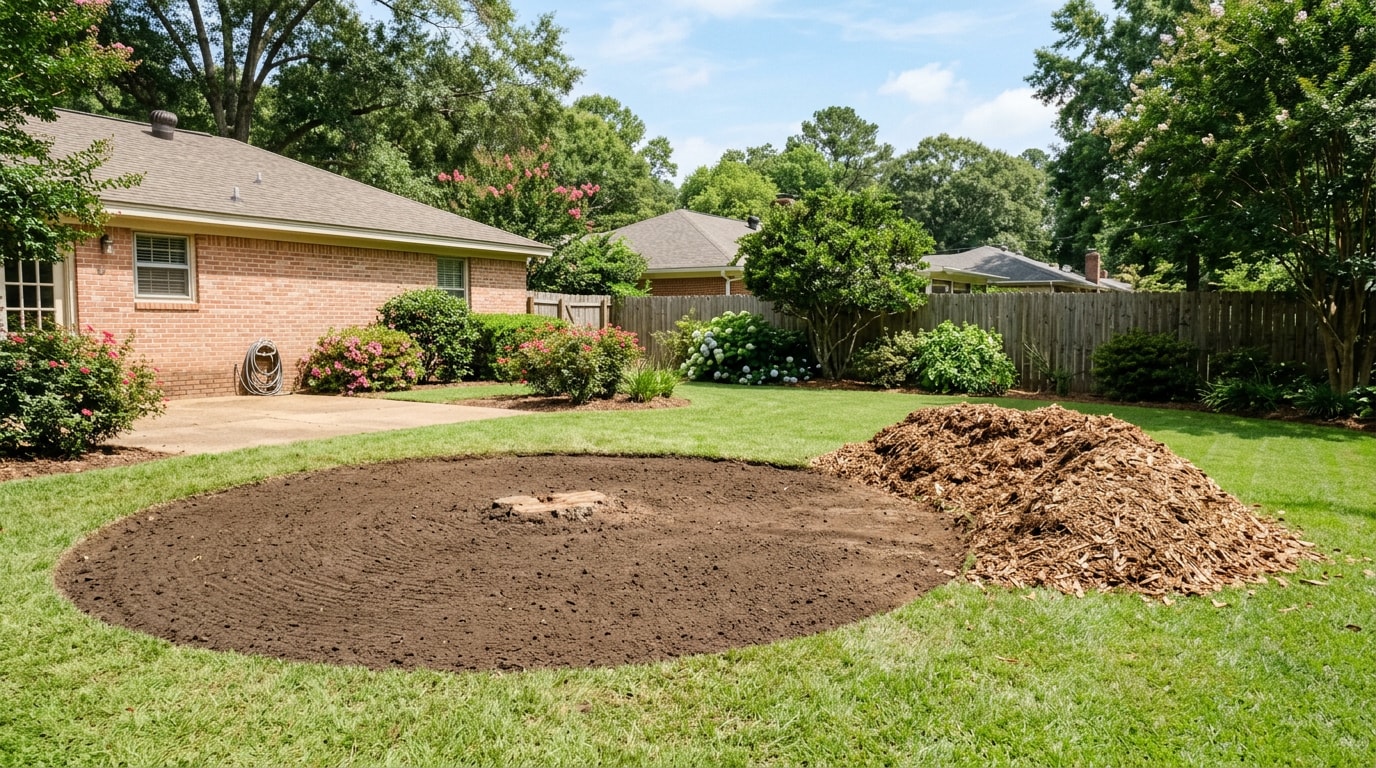
Stump work is billed separately from tree removal and is almost never covered by insurance, even when the tree removal itself was. Stump grinding in the Ridgeland area typically runs $100 to $400 per stump depending on diameter and root spread. Full stump removal, pulling the root ball entirely, costs more than grinding alone, and our stump grinding service page breaks down the difference in detail.
Signs a Tree Needs to Come Down Before It Falls
A hazard tree usually shows warning signs well before it fails. Look for the tree leaning, most foliage growing on one side, significant trunk taper, or multiple stems arising from the same base.
Horizontal and vertical cracks in the stem and branches can also signal the tree is about to split.
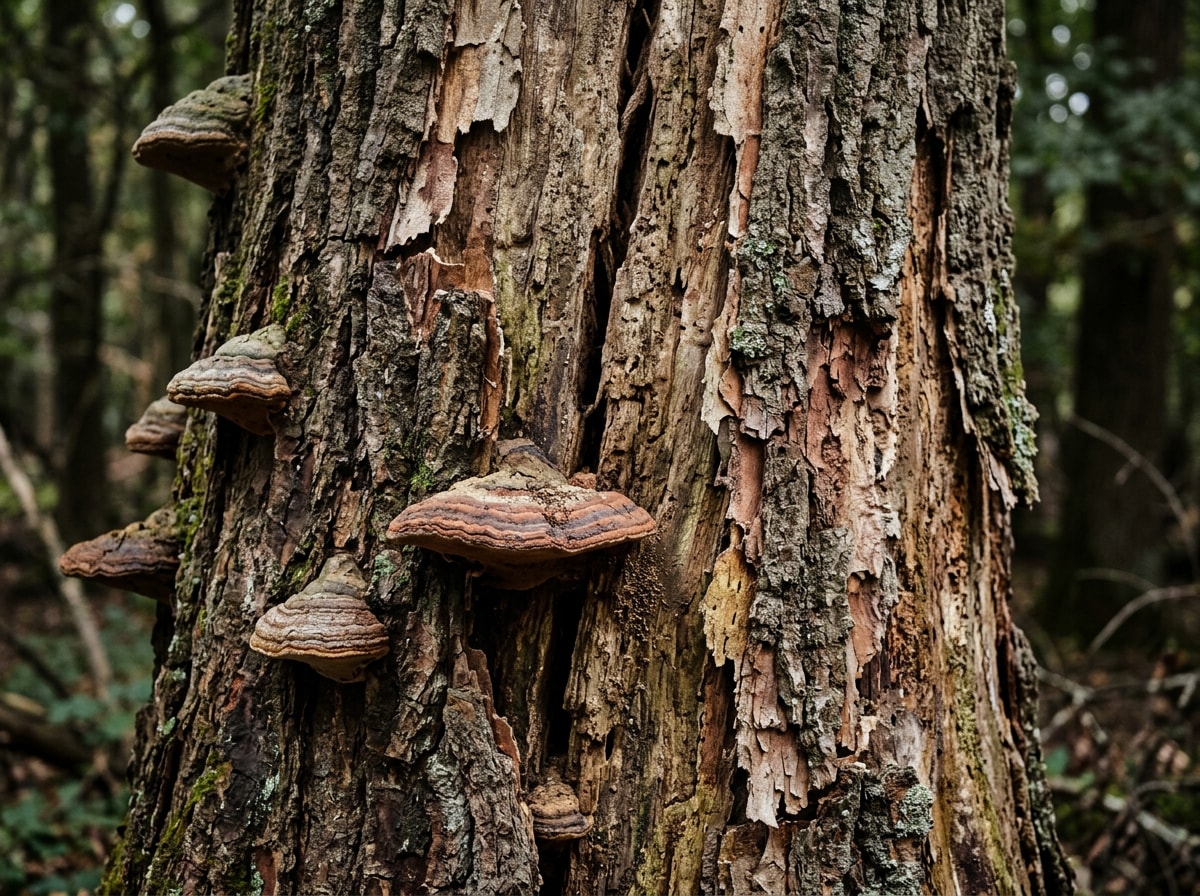
Spotting these early lets you decide between pruning or trimming a problem limb and removing the whole tree, before a storm forces the decision for you. It's worth repeating: removing a tree because you noticed these signs is proactive maintenance, not an insurable event. That doesn't make it a bad call, a hazard tree near your home is a real risk, but don't expect your policy to reimburse it.
Hiring a Tree Company in Mississippi: What to Check First
Mississippi handles tree work differently than general construction. Tree pruning, trimming, or removal performed for compensation requires a separate MDAC Tree Surgery License , distinct from the general contractor license required for larger building projects. There's no separate statewide removal permit, though your city or county may have local tree ordinances that require permits , so it's worth a quick call to Ridgeland's permitting office for mature or heritage trees.
Don't try to remove a tree or parts of a tree on your own. Contact an International Society of Arboriculture (ISA) certified arborist and/or Mississippi certified tree surgeon to safely tend to or remove your tree. Before hiring anyone, confirm they carry general liability insurance and workers' compensation. It protects you if a worker is hurt on your property, and it gives your insurer a credible paper trail when processing the claim. Our full tree service lineup covers removal, trimming, pruning, and stump work under one licensed, insured crew.
How to Document Storm Damage for Your Claim
Good documentation is often the difference between a smooth payout and a denied claim. FEMA's disaster preparedness guidance includes a checklist to help you prepare your documents before you need to file an insurance claim , and the same principles apply after the fact.
- Photograph the damage before any cleanup begins, wide shots and close-ups.
- Note the date and time of the storm, along with any local weather reports.
- Get a written estimate or invoice from your tree removal contractor.
- Contact your insurer promptly, most policies require reasonably quick notice.
- Keep every receipt tied to temporary repairs, like tarps or boarding.
Having this packet ready speeds up your claim and cuts down the back-and-forth with the adjuster. If you're not sure where to start, get a free estimate from our crew and we'll walk you through what documentation your specific insurer tends to ask for.
Ready to get storm damage cleared and documented the right way? Contact Couch Tree Service for a free estimate, or visit our homepage to see our full range of tree services across Ridgeland and the Jackson metro.
FAQ
Will Homeowners Insurance Cover Preventative Tree Removal?
No. Standard homeowners policies don't pay to remove a healthy or declining tree before it causes damage. That cost falls under routine property maintenance, which policies exclude by design, regardless of how real the risk looks.
Does Homeowners Insurance Cover a Tree That Falls on My Car?
No. Tree damage to a vehicle is handled by your auto policy's comprehensive coverage, not your homeowners policy, even if the tree was on your property.
What Happens If My Tree Falls on My Neighbor's House?
Their homeowners insurance pays for the damage to their property, not yours directly. If their insurer can show you were negligent, for example you ignored a known hazard, your liability coverage may get pulled into the claim.
How Close Can a Tree Be to Your House for Insurance?
Tree proximity isn't a standard coverage trigger on its own. However, insurers may flag a tree that's too close to the house during underwriting or a renewal inspection, especially if branches overhang the roof or the trunk shows visible decay.
Which Home Insurance Company Is Best in Mississippi?
There's no single best provider for every homeowner. Compare insurers on claims-handling reputation, other-structures coverage limits, premium cost, and whether they have local agents who understand Ridgeland's storm patterns before choosing a policy.
What Is the Average Cost of Homeowners Insurance in Mississippi?
Mississippi premiums run higher than the national average, largely due to storm and hurricane exposure along the Gulf Coast corridor. Inland cities like Ridgeland typically see lower premiums than coastal areas, though rates still vary by insurer, home age, and coverage limits chosen.
About the Author
This guide was reviewed by the team at Couch Tree Service, a licensed and insured tree company serving Ridgeland, Jackson, Madison, Brandon, and the surrounding Jackson metro. Our crews respond to storm-damage removal calls across Madison County every spring, and the sub-limit surprise described above is the single most common frustration we hear from homeowners filing a claim. Questions about a specific tree or a pending claim? Reach out through our contact page and we'll help you figure out next steps.