
A tree surgeon in Brandon, MS is a trained professional who prunes, removes, and treats trees for health and safety, not just anyone with a chainsaw and a truck. In Mississippi, the title also carries legal weight: the state requires a specific license before a business can advertise under that name. Here's what the job actually covers, what that license protects you from, and how to spot a qualified crew before you hire one.
What Is a Tree Surgeon?
A tree surgeon is a tree care professional who diagnoses problems, prunes damaged limbs, fells hazardous trees, and treats pests or disease to keep trees structurally sound. The term is older than "arborist" but means essentially the same thing in daily use, and both titles still appear side by side across the industry.
Think of a tree surgeon as the person you call when a tree needs hands-on, physical work rather than a quick aesthetic trim. Felling a leaning oak, removing a split limb after a storm, or bracing a cracked trunk are all tree surgery tasks.
Is "Tree Surgeon" a Licensed Title in Mississippi?
This is the part most homeowners never hear, and it's the single most important fact in this guide. A Tree Surgery License is required for persons who advertise as a licensed, bonded, or insured tree surgeon and receive compensation for work related to the care, pruning, cabling, bracing, topping, trimming, fertilizing, cavity work, and removal of ornamental trees and shrubs. That requirement comes from the Mississippi Department of Agriculture and Commerce (MDAC), not a trade group or marketing term.
Getting licensed isn't just a formality. Applicants must submit a license exam application and qualify to take the exam , and a certificate of liability insurance with a minimum of $100,000 is required for license issuance.
Once issued, the license is valid for an indefinite period unless suspended or revoked for cause.
For homeowners, this means the word "tree surgeon" isn't marketing fluff here, it's a credential you can actually verify before a crew sets foot on your property. We cover how that licensing standard plays out across the metro in our guide to licensed tree surgery service{{SITE_URL}}, which goes further into what the credential does and doesn't cover.
What Does a Tree Surgeon Do?
Day-to-day work swings between routine maintenance and serious structural jobs. Some visits are a quick health check; others require full removal from the ground up.
Tree Felling and Removal
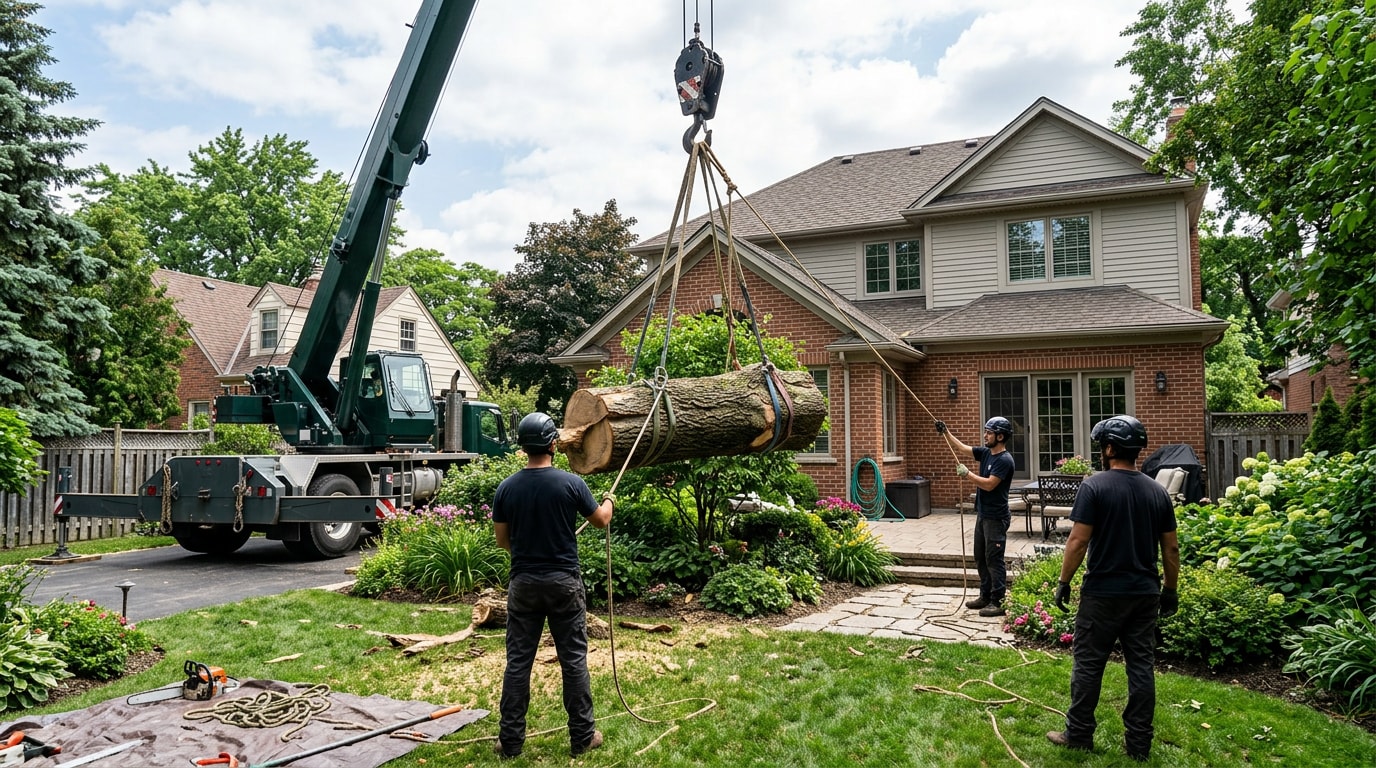
Felling means bringing a tree down in a controlled way, often section by section when space is tight against a house, fence, or power line. Full removal becomes necessary instead of trimming when a tree is dead, diseased beyond recovery, structurally unsound, or leaning toward a structure. A tree surgeon evaluates the lean, root condition, and surrounding obstacles before choosing a removal method, which is also how our tree removal team approaches every job.
Tree Pruning and Trimming
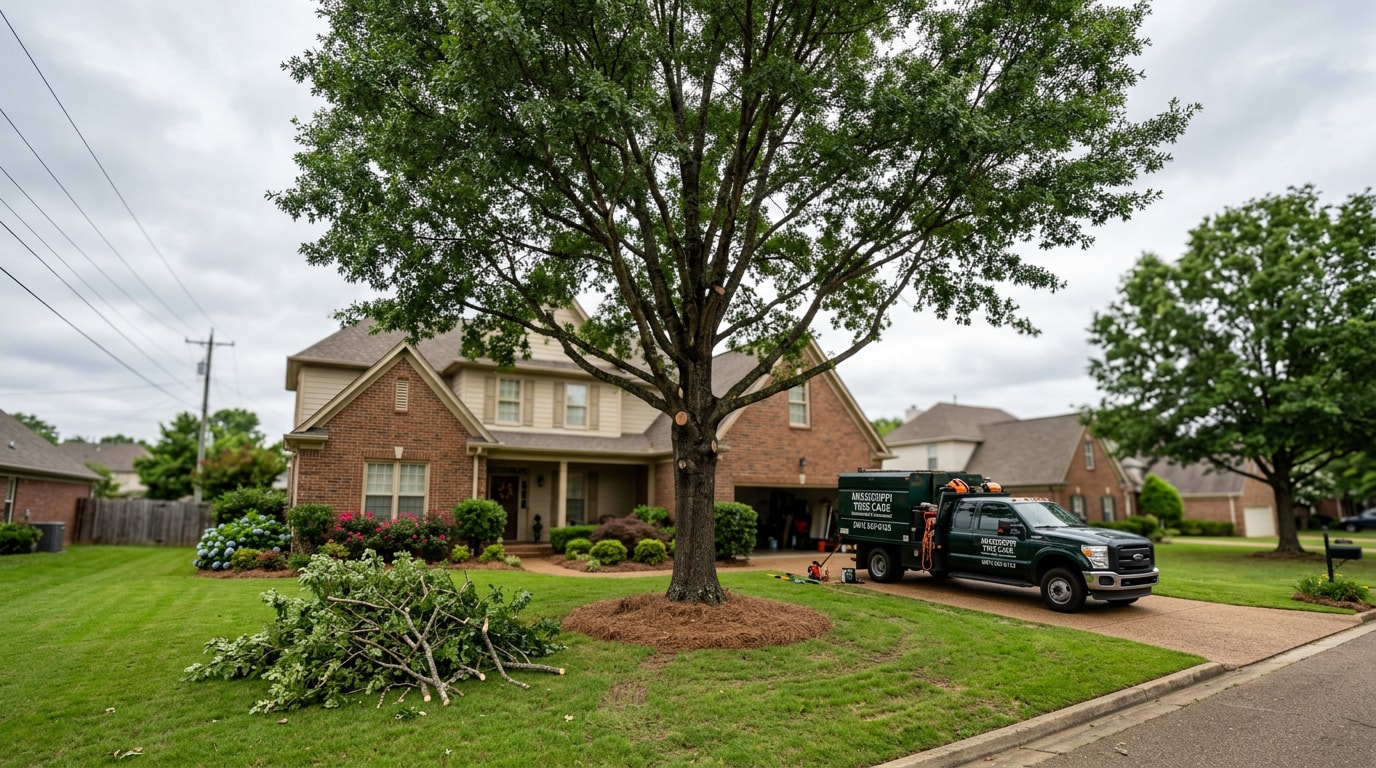
Pruning is a health and safety task first, appearance second. Removing dead, diseased, weak, or overcrowded branches improves airflow, reduces storm risk, and helps the tree heal. Crown reduction, a technique that thins the upper canopy, eases wind load without harming the tree's long-term structure.
Stump Grinding and Cleanup
Once a tree is down, the stump is still a tripping hazard, a lawnmower obstacle, and a potential regrowth problem. Most tree surgeons offer grinding or full removal as a follow-up service rather than leaving a property half-finished.
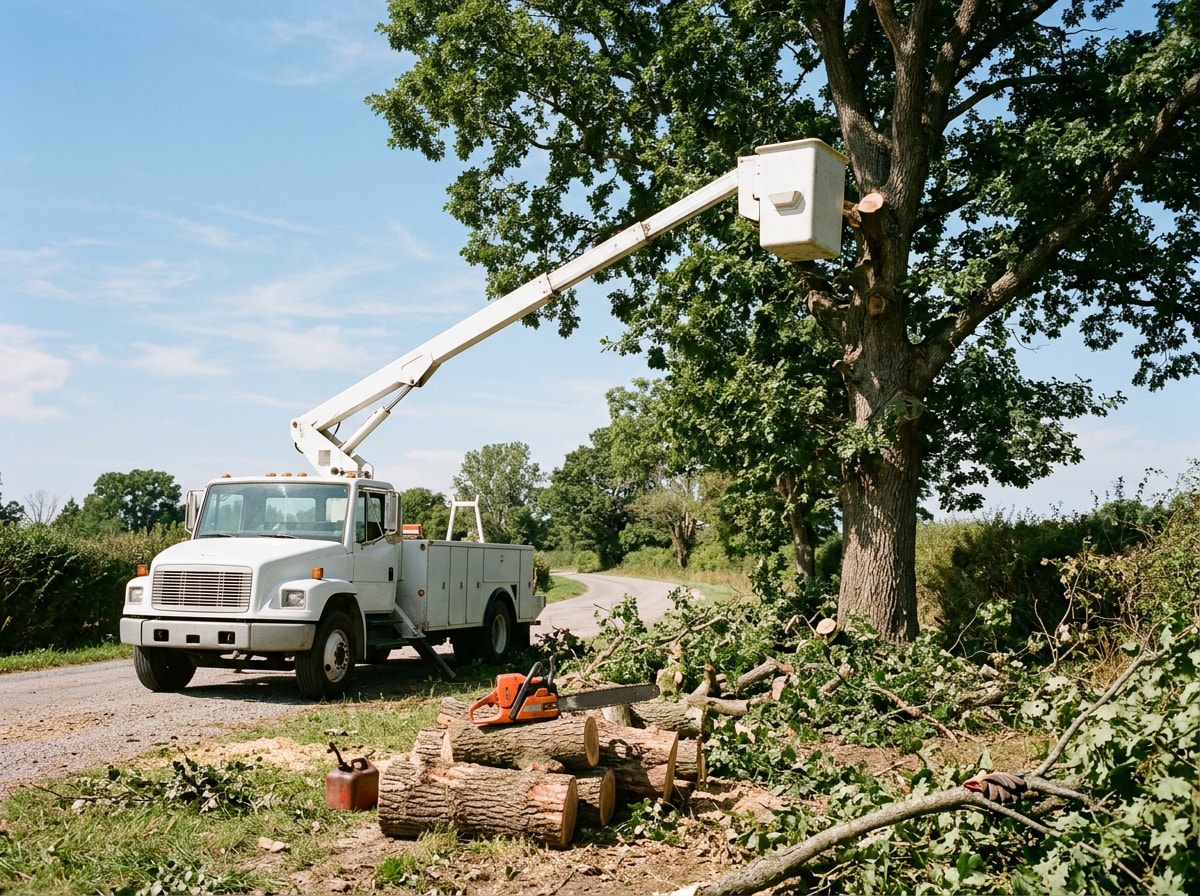
To see how these services apply on your own property, visit our tree service page, or go straight to tree trimming, pruning, or stump grinding if you already know what you need.
Tree Surgeon vs. Certified Arborist: What's the Difference?
The terms overlap in practice, but there's a useful distinction. A tree surgeon typically does the physical, hands-on work, climbing, cutting, removing. A certified arborist is more associated with assessing tree biology, disease, and long-term health, often backed by formal credentials.
| Tree Surgeon | Certified Arborist | |
|---|---|---|
| Typical tasks | Pruning, felling, removal, bracing | Health diagnosis, species planning, risk assessment |
| Credentials | Trade experience, Mississippi Tree Surgery License | ISA certification exam, continuing education |
| When to call | Active hazard, storm damage, removal needed | Unclear tree health, long-term care plan, species selection |
Many crews, including ours, carry both skill sets, so the line blurs in real-world companies. The ISA Certified Arborist credential is for the tree care professional who has attained a generally accepted level of knowledge in tree biology, diagnosis, maintenance practices, and safety , which the International Society of Arboriculture oversees and is worth checking if tree health, not just removal, is your main concern.
Skills a Tree Surgeon Needs
A qualified tree surgeon combines physical ability with technical judgment. The baseline requirements are straightforward:
- Safe tree climbing and rigging technique
- Confident, efficient use of chainsaws, chippers, and aerial equipment
- Working knowledge of tree biology: how root systems, bark, and canopy health interact
- Ability to spot pest infestations, decay, and disease before they become hazards
- Understanding of load, lean, and fall direction before any cut is made
That last point is what separates a trained professional from someone who's simply good with a chainsaw. Misjudging a lean or a hung limb is how routine jobs turn into property damage or injury.
Signs You Need to Call a Tree Surgeon
Call a professional when a tree shows real structural warning signs, not just cosmetic ones. Watch for:
- Large dead branches or a canopy that's thinning unevenly
- A sudden or pronounced trunk lean
- Visible fungus, mushrooms, or decay at the base
- Cracked, split, or hanging limbs after a storm
- Hollow sections of trunk or exposed, damaged roots
- Branches growing into power lines
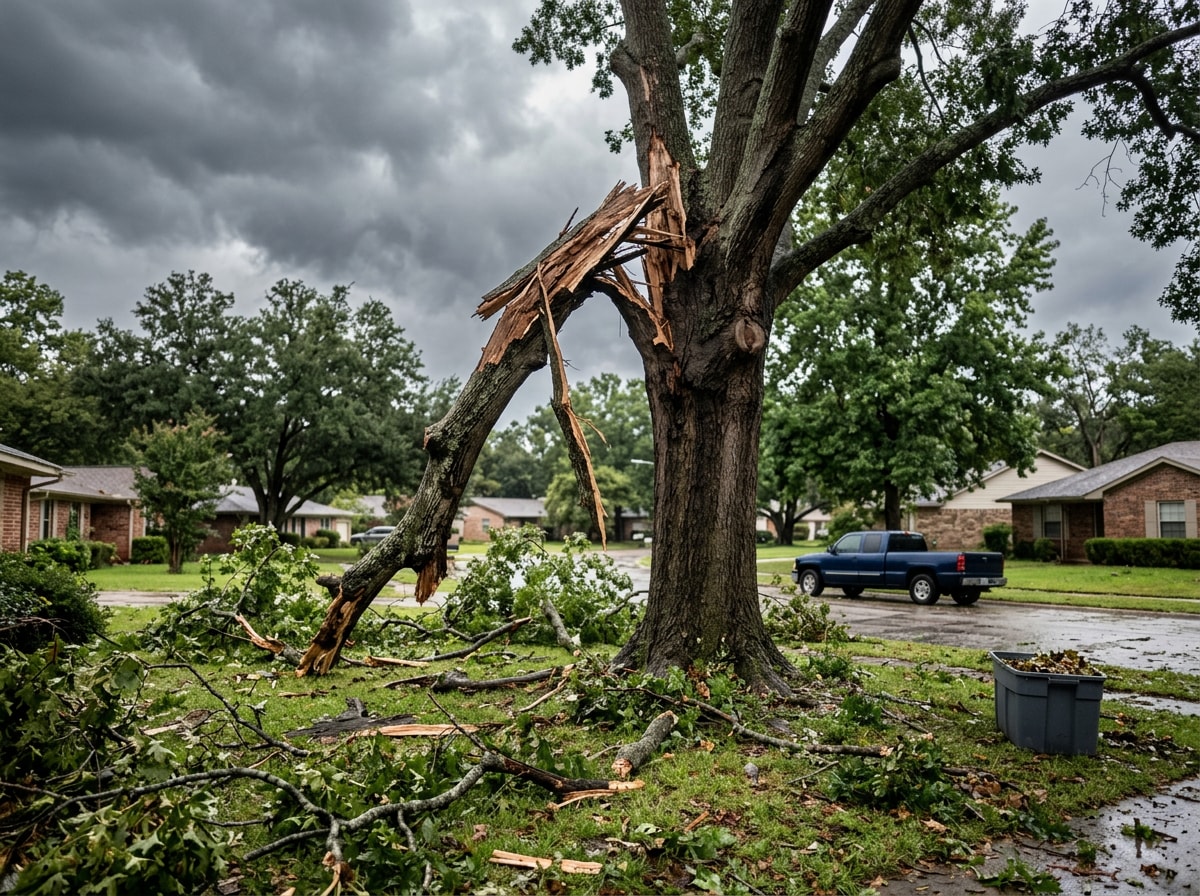
A dead tree near a structure or driveway can fail without warning, especially after heavy wind or rain, and that's not a situation to assess from the ground yourself. If you're seeing any of these signs on your property, our emergency tree removal page outlines what to expect from a professional assessment and how fast a crew can respond. You can also get a free estimate before deciding whether removal or trimming is the right call.
Why Hire a Licensed Tree Surgeon Instead of DIY
Tree work is more dangerous than most homeowners assume. OSHA's research has found that the tree care industry has a high rate of fatalities, estimated at 1 in 1,000 tree trimmers, nearly 30 times higher than the national average for all workers. Falls, equipment contact, and electrocution near power lines account for most of those incidents.
Beyond personal injury, a mishandled removal can damage a roof, fence, or a neighbor's property, creating costs far beyond the original job. A licensed tree surgeon brings proper rigging, chippers, and trained technique that homeowners rarely have on hand, plus the insurance to cover a mistake if one happens.
Before hiring, verify the crew's Mississippi Tree Surgery License status directly through MDAC's licensing records . Checking this matters for liability reasons too. If an unlicensed, uninsured crew damages your property or a worker is hurt on-site, you could be left covering costs that insurance would otherwise handle. You can see our local service area, including Brandon, on our service area page, and browse recent projects to see the kind of work a licensed crew actually produces.
FAQ
What is a tree surgeon?
A tree surgeon is a trained professional who prunes, removes, and treats trees to keep them safe and healthy. In Mississippi, the term also refers to a state-licensed designation that businesses must hold before advertising tree surgery services.
What's the difference between a tree surgeon and a certified arborist?
A tree surgeon typically performs the physical work: climbing, cutting, felling, and bracing. A certified arborist is more focused on diagnosing tree health, disease, and long-term care planning, often holding a formal ISA credential. Many professionals carry both skill sets.
Do tree removal companies need a license in Mississippi?
Yes. Mississippi requires a Tree Surgery License issued by MDAC for anyone who advertises and charges for pruning, cabling, bracing, trimming, or removal of ornamental trees and shrubs. The license requires passing an exam and carrying at least $100,000 in liability insurance.
How do I verify a tree surgeon's license in Mississippi?
MDAC's Bureau of Plant Industry maintains licensing records that homeowners can check before hiring. Asking for a license number upfront and confirming it directly with the state is the safest way to avoid an unlicensed, uninsured crew.
How much does it cost to hire a tree surgeon in Brandon, MS?
Cost depends heavily on tree size, condition, and accessibility. A small trim might run a few hundred dollars, while a large or hazardous removal near a structure can run well over a thousand. An on-site estimate is the only reliable way to get an accurate number for your property.
Is tree work dangerous enough to require a professional?
Yes. Tree care consistently ranks among the more hazardous trades due to fall risk, chainsaw injuries, and proximity to power lines. That risk is exactly why Mississippi licenses the work and why insurance coverage matters when you hire a crew.
Ready to talk to a licensed crew about your property? Get a free estimate or visit our homepage to see our full range of tree services.