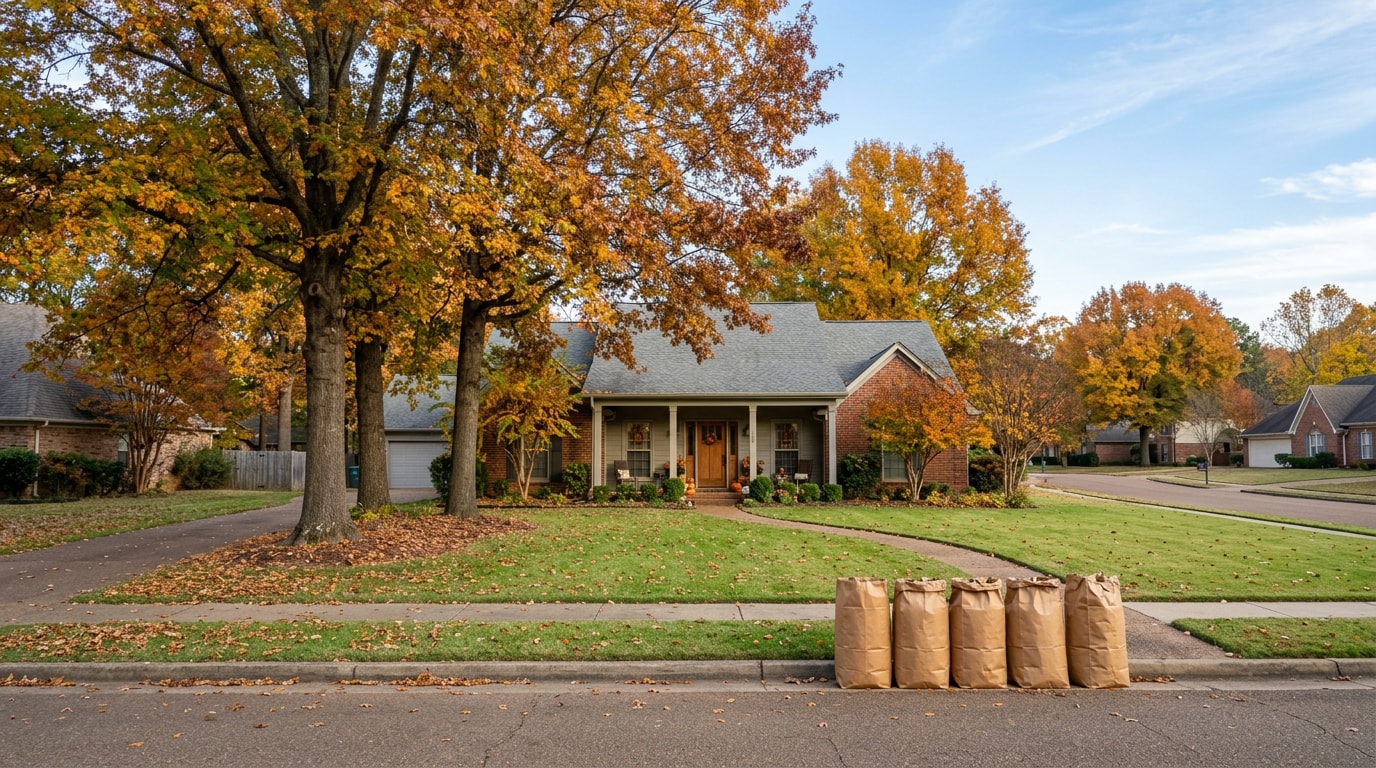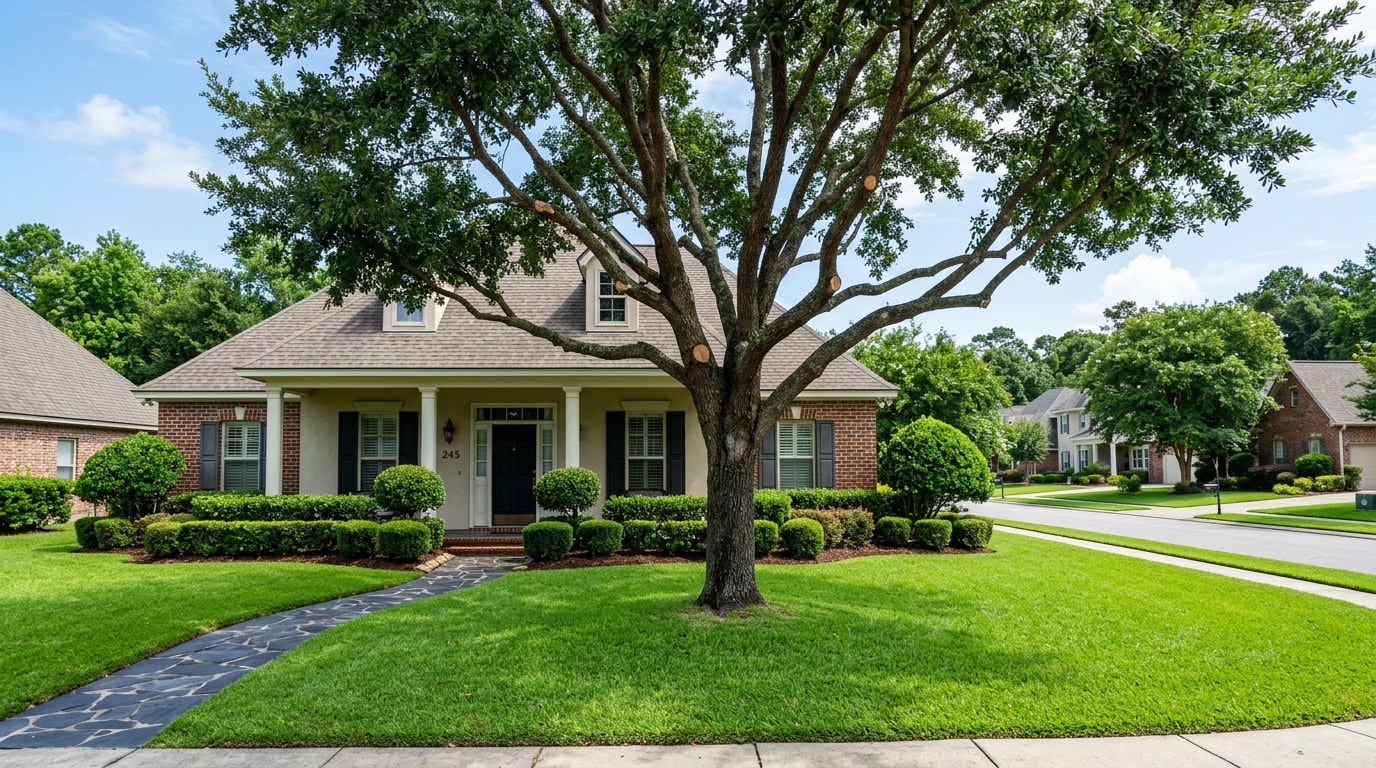
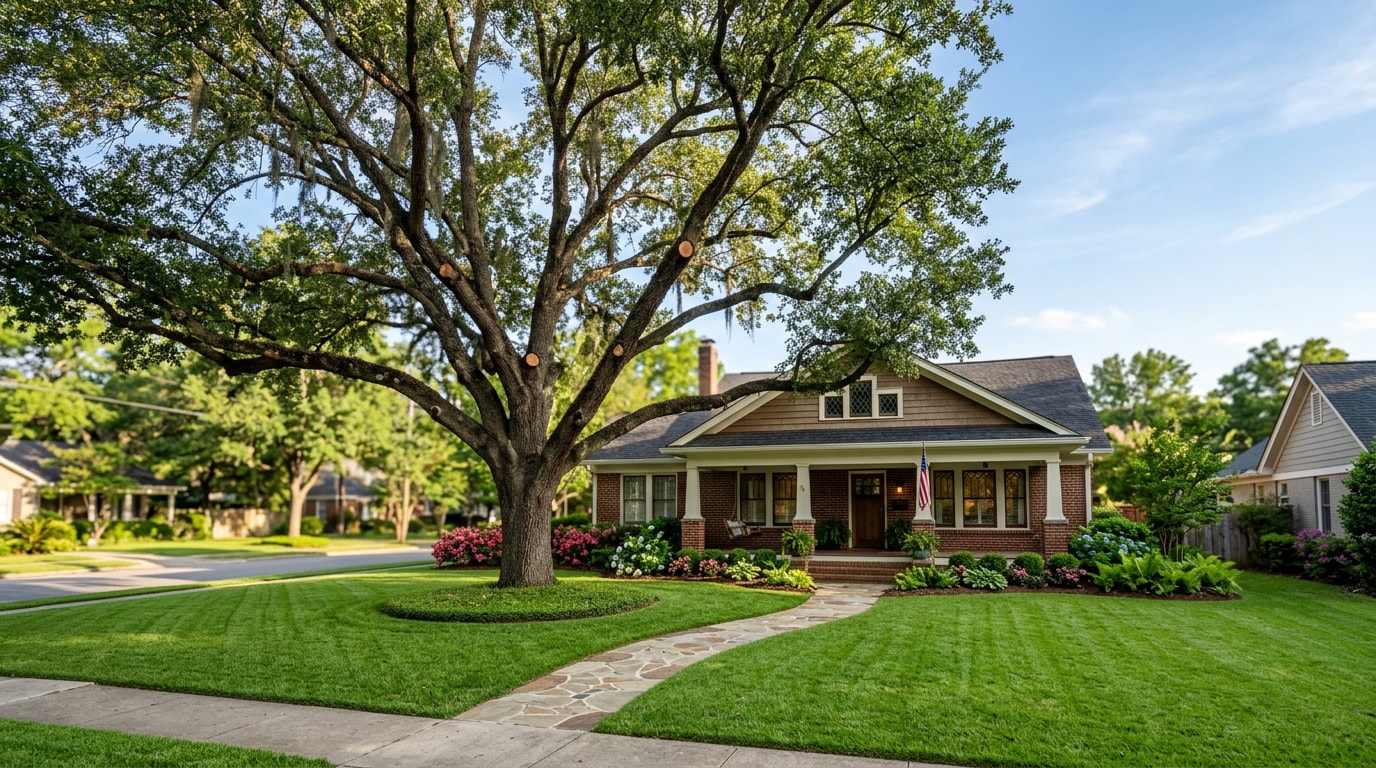
A qualified tree expert arborist in Ridgeland, MS protects both your property and your trees' long-term health. Ridgeland's clay soil, humidity, and reservoir-adjacent storms create tree problems most homeowners don't notice until a limb comes down. Our crew has spent years assessing these exact conditions across Madison County, and the difference between a trained eye and a guy with a chainsaw shows up fast.
Why a Tree Expert Arborist Matters in Ridgeland, MS
A certified arborist does more than cut branches. They diagnose disease, identify species-specific risks, and prune using methods that protect a tree's structure for years.
A general tree-cutting crew might remove a hazard quickly. But without arborist training, they can miss root problems or leave cuts that invite decay later.
Proper certification and insurance also protect you directly. Work that follows accepted industry standards limits liability if something goes wrong on the job, and credentials from a body like the International Society of Arboriculture can be independently verified rather than taken on faith. For Ridgeland properties, where tree health ties directly to shade, property value, and storm resilience, that distinction is worth checking before you hire anyone. If you want a second opinion before committing to work, get a free estimate and we'll walk the property with you.
Our Tree Services in Ridgeland, MS
From routine canopy care to overnight storm response, a qualified tree expert arborist handles the full range of needs Ridgeland properties face. The sections below cover what each core service actually involves.
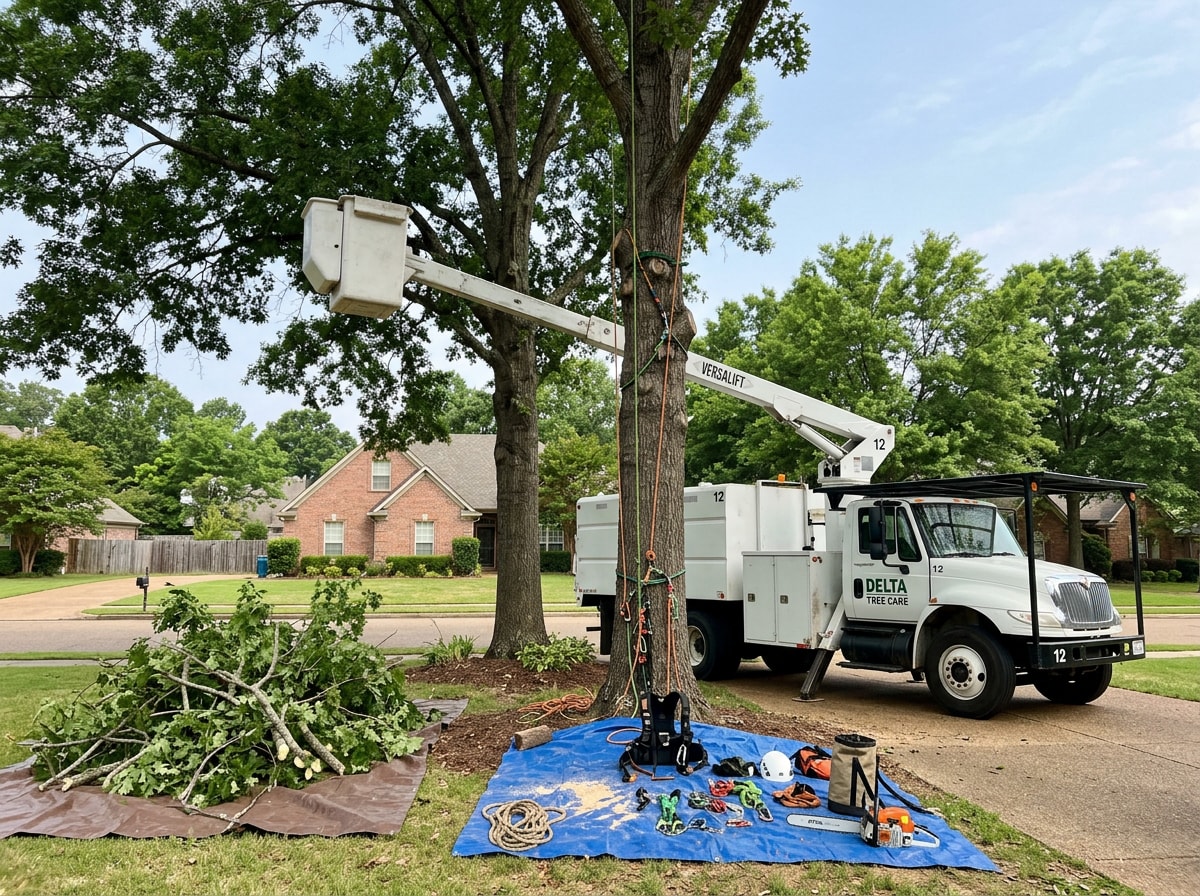
Explore the full range of tree services available to Ridgeland homeowners and businesses.
Tree Removal
Tree removal is necessary when a tree is dead, severely diseased, structurally unstable, or a direct hazard to people, structures, or power lines. It's avoidable when pruning, cabling, or treatment can save the tree instead.
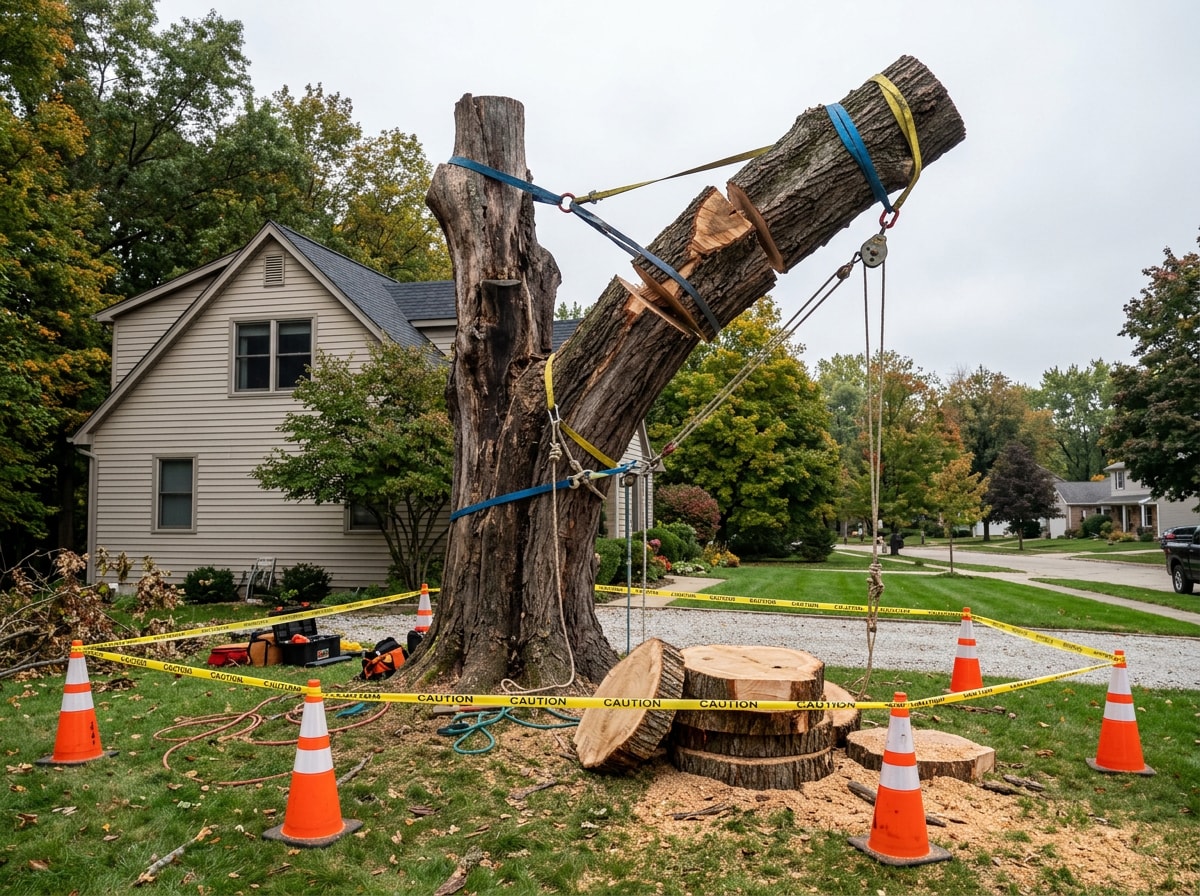
A proper tree removal process starts with an on-site assessment, then controlled cutting, sectioning, and debris hauling. Large trees near rooflines or fences require extra rigging to prevent damage during the work. Dead tree removal is often urgent, since dry limbs and weakened trunks can fail without warning, well before a storm ever arrives.
Tree Trimming & Pruning
Regular tree trimming supports canopy health by removing weak or crossing limbs before they become storm hazards. In central Mississippi, late-winter dormancy is usually the best window for structural pruning on most hardwoods, though flowering species often need different timing.
Routine pruning also improves airflow through the canopy, which tends to reduce fungal issues in humid climates. Over time, consistent pruning supports better tree health and lowers the odds of limb failure during severe weather.
24/7 Emergency Tree Service & Storm Damage
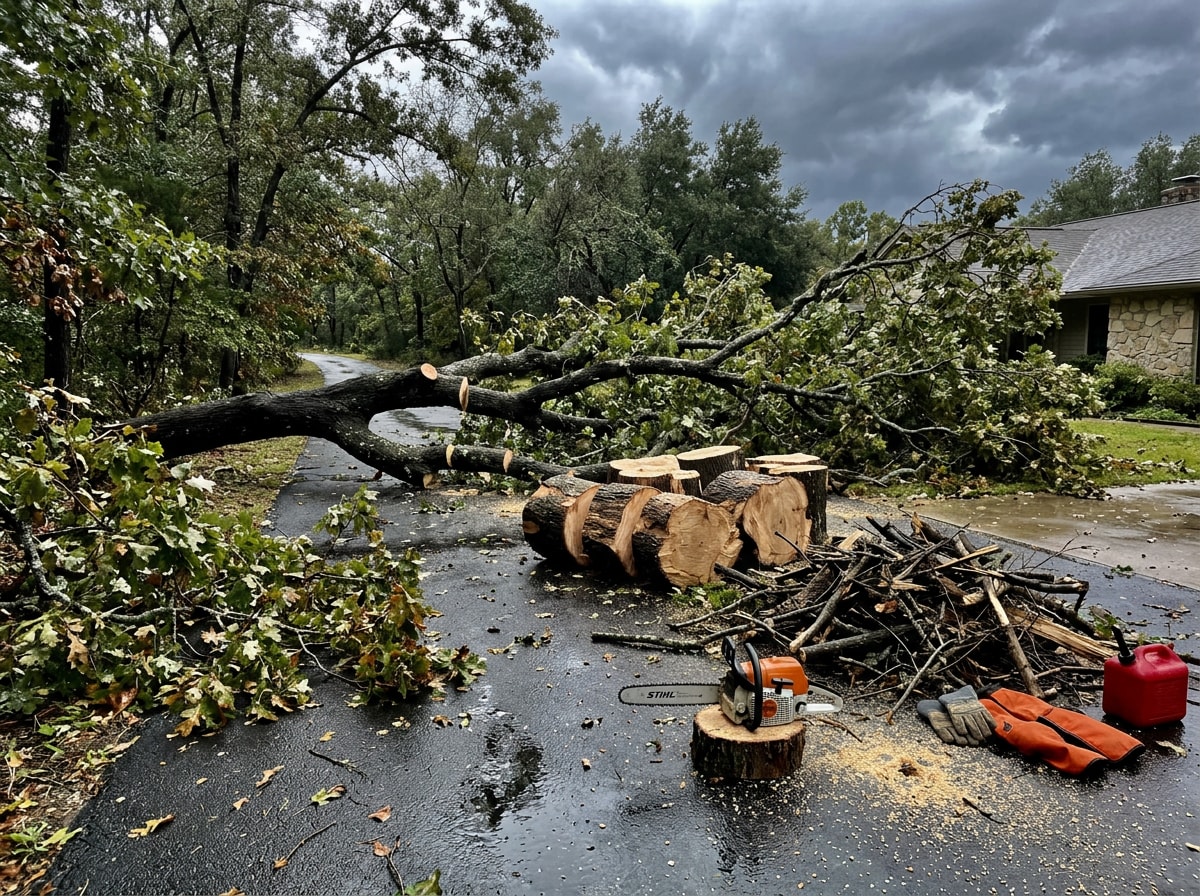
A tree emergency usually means a downed limb on a roof or power line, a split trunk, or a tree leaning dangerously after a storm. These situations call for emergency tree removal that can assess the hazard and begin safe removal quickly.
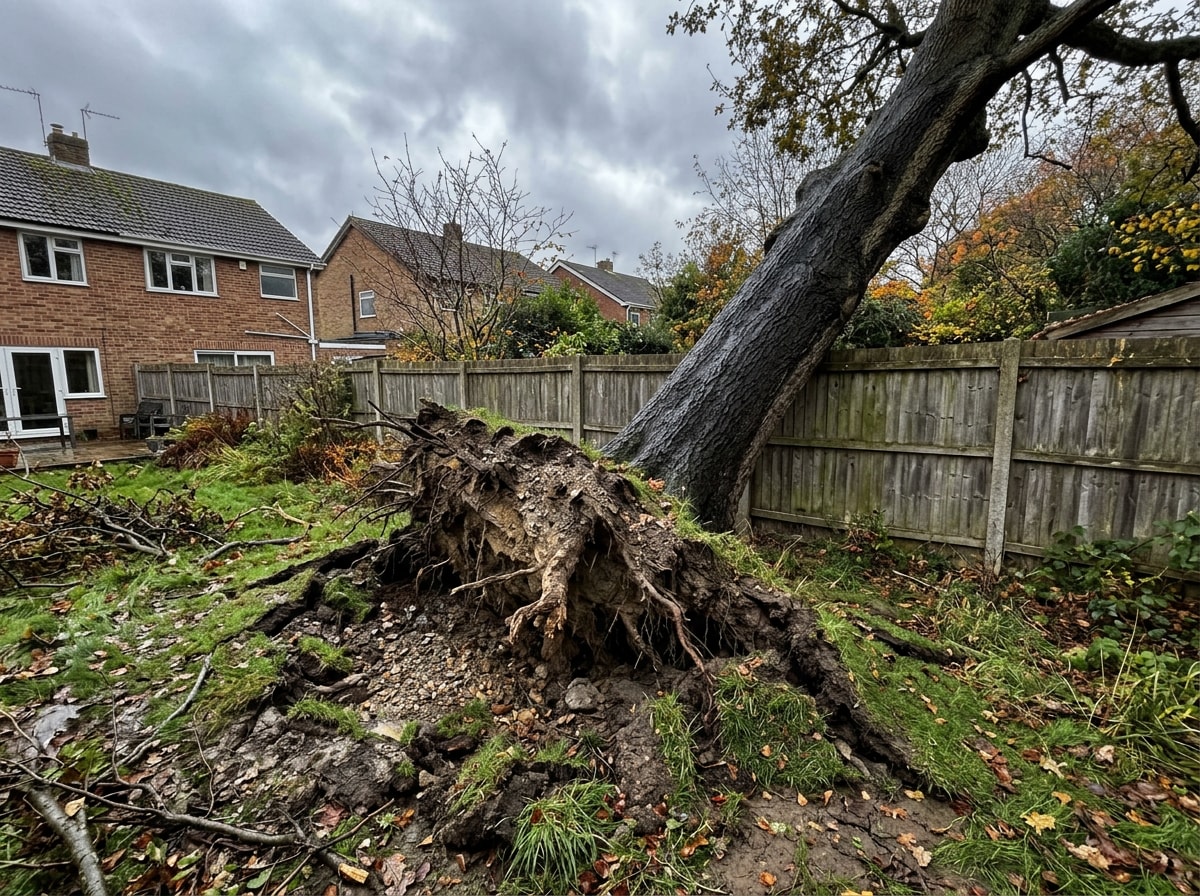
Storm damage frequently leaves a fallen tree blocking a driveway or resting against a structure, which raises both safety and insurance concerns. Access to genuine around-the-clock support matters most when conditions are least predictable.
Storm Preparation and Cleanup
Storm prep before severe weather hits is usually far less costly than emergency work afterward. A workable pre-season checklist for central Mississippi properties:
- Finish deadwood trimming by early March, before spring storms ramp up
- Cable co-dominant trunks on split-prone trees before storm season
- Clear limbs away from rooflines and power lines by April
- Have reservoir-adjacent trees reassessed annually, since shoreline soil tends to loosen root systems over time
Post-storm cleanup then covers debris hauling, limb removal, and site restoration.
Stump Grinding
Leaving a stump behind after removal isn't just an eyesore. It can attract termites and other pests, and some species will send up new sprouts from the surviving roots.
Stump grinding removes the visible stump and surface roots, typically a few inches below grade so the area can be replanted or landscaped. The ground-up debris is usually left behind as usable mulch or hauled away, depending on what you prefer.
Safety & Risk Assessments
A tree risk assessment evaluates lean angle, root plate stability, canopy weight distribution, and proximity to structures to judge how likely a tree is to fail. This matters most before storm season, when existing weaknesses are more likely to turn into a hazard. No inspection can guarantee a tree won't fail, but a thorough one meaningfully lowers the odds of a bad surprise later.
Commercial Tree Services in Ridgeland, MS
Commercial and institutional tree care runs at a different scale than residential work: more trees, larger equipment, and scheduling built around business hours instead of family routines. HOA communities often need documented risk assessments and consistent maintenance schedules to satisfy boards and insurers. Municipal rights-of-way work involves trimming around sightlines, sidewalks, and utility corridors, while corporate campus grounds need appearance-focused pruning that still accounts for liability.
Our guide to commercial tree care for Ridgeland property managers covers how multi-site scheduling and documentation work in practice.
Tree Challenges in Ridgeland, MS
Ridgeland's clay-heavy soil holds water poorly in some spots and drains too fast in others, stressing root systems that aren't built for those swings. Add Mississippi's humidity, and fungal and pest pressure climbs quickly, especially on trees already weakened by soil stress or storm damage. Proximity to the Ross Barnett Reservoir adds another layer, since shoreline-adjacent lots often see looser soil and heavier wind exposure during severe weather.
Three species common across Madison County show this pattern clearly:
- Southern red oaks are prone to root rot and oak wilt in poorly drained clay soils.
- Loblolly pines face real pressure from southern pine beetle, which can move through a stand quickly once a few trees are infested.
- Crape myrtles, planted widely across Ridgeland subdivisions, commonly develop crape myrtle bark scale.
If you've got crape myrtles, you should be on the lookout for Crape Myrtle Bark Scale, an invasive pest that can turn easy-to-care-for trees into high-maintenance ones covered in sooty mold. Mississippi State University Extension has a detailed identification guide worth checking if you spot white, felt-like patches on the bark.
Pest and disease pressure shifts year to year, so pairing current extension data with an in-person inspection is worth the time.
Preparing Your Property for Tree Work
A little preparation before the crew arrives keeps a job moving safely and on schedule.
- Clear vehicles, outdoor furniture, and other obstacles from the driveway and work zone
- Mark irrigation lines, septic fields, or buried utilities the crew should avoid
- Keep pets indoors for the day
- Flag anything fragile near a fence or garden bed ahead of time
A quick walk-through with the crew before work begins is usually enough to confirm property access and avoid surprises once the job is underway.
Service Areas Around Ridgeland
Beyond Ridgeland itself, demand for a reliable tree expert arborist extends across Madison County and the greater Jackson metro area, including nearby subdivisions and reservoir-adjacent communities. Lots closer to the reservoir shoreline often need more frequent risk inspections because of looser soil and higher wind exposure, while inland subdivisions tend to see more routine pruning and seasonal cleanup.
We serve:
You can also browse recent projects to see the kind of work our crew handles across these communities, or visit the Couch Tree Service homepage for an overview of what we do.
Sustainable Practices and Recycling
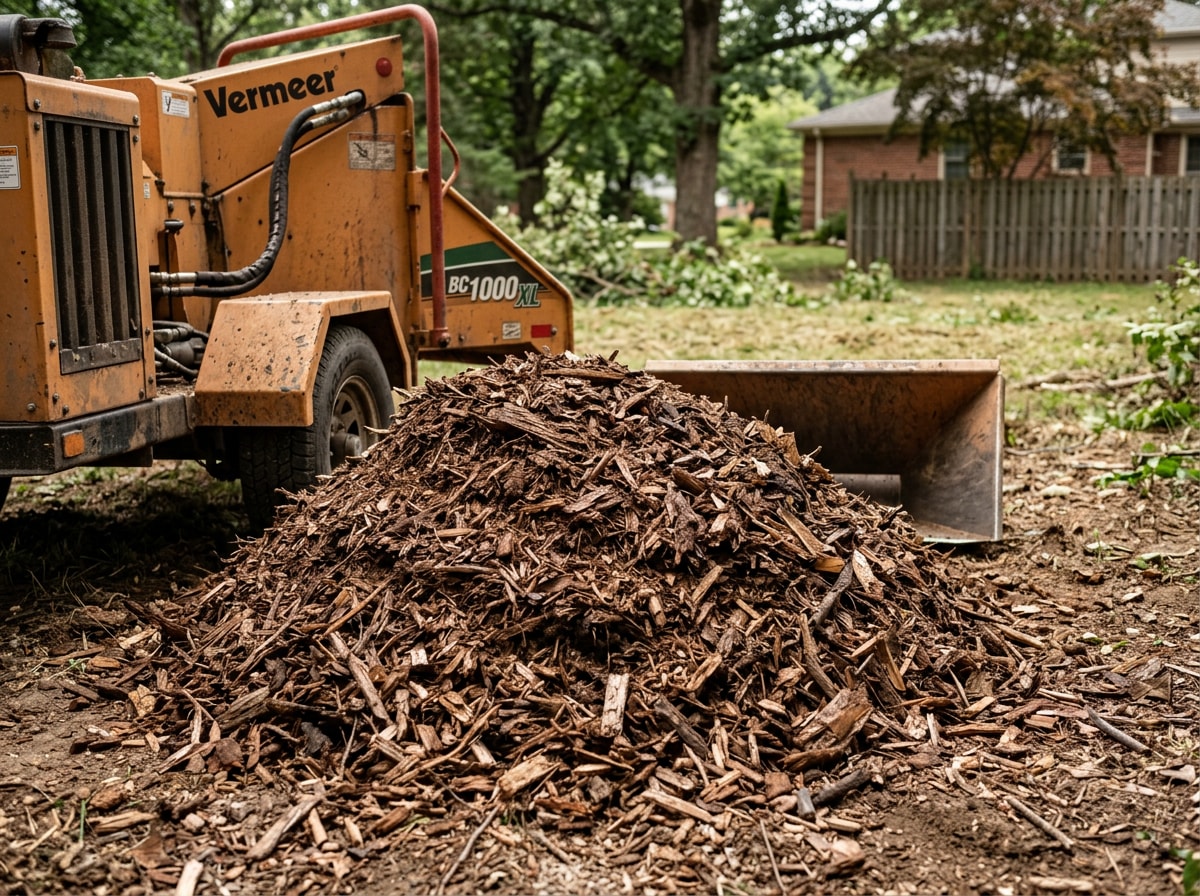
Removed trees and limbs don't need to end up in a landfill. Most wood debris gets chipped into mulch for landscaping, while larger, usable sections are set aside for recycling or donation when possible. This approach cuts waste and gives homeowners a useful byproduct, mulch, for their own garden beds instead of trucking everything away.
What Tree Services Typically Cost in Ridgeland
Exact pricing always depends on size, access, and condition, but these general ranges reflect what homeowners commonly see for comparable work in the region:
| Service | Typical Range* |
|---|---|
| Arborist consultation / risk assessment | $75–$200 |
| Tree trimming or pruning | $150–$800 |
| Standard tree removal | $400–$1,500+ |
| Large or hazardous tree removal | $1,500–$3,500+ |
| Stump grinding | $100–$400 |
*General industry estimates, not a quoted Ridgeland average. Request an on-site assessment for exact pricing on your property.
Ready to move forward? Get a free estimate and we'll give you a written number before you decide anything.
FAQ
Do I need a permit for tree removal in Ridgeland?
It depends on the property and the tree's location. Ridgeland's Tree Ordinance aims to protect and maintain a 40% urban tree canopy cover, and it applies to trees on public and private property in commercial, industrial, and residential zoning districts.
A permit is required when a property owner intends to clear protected trees. Check the City of Ridgeland's ordinances and codes page for the current Tree Ordinance before scheduling removal, since local rules can change.
How much does tree service cost in Ridgeland?
Arborist consultation fees are typically a flat rate, while full removal costs vary widely based on tree size, access, and risk level. See the pricing table above for general ranges. Trimming and pruning usually cost less than full removal, with pricing driven mainly by canopy size and job complexity. An on-site quote is the only reliable way to know actual pricing for a specific tree.
Is an arborist consultation more expensive than a tree removal?
No. An arborist consultation is almost always a smaller cost than a full removal job, since it's typically a flat inspection fee rather than a labor-intensive project. Paying for an assessment first often prevents unnecessary expense, since a tree assumed hazardous may only need pruning or cabling instead of complete removal.
Do tree service companies need to be licensed in Mississippi?
Mississippi requires companies performing tree surgery work to hold a license from the state's forestry authority, and individuals can separately pursue ISA certification, which is not legally required but signals formal training in arboriculture and adherence to a professional code of ethics. Anyone can confirm a credential at any time using the ISA Verify an Arborist tool, which makes it the only independently verifiable proof of competence in the trade. Asking for license and certification numbers before hiring is a reasonable first step.
Why hire a professional instead of DIY?
Not everyone who cuts down trees holds arborist certification. That title reflects specific training and testing through recognized bodies like the ISA. DIY tree removal carries real risk: falling limbs, chainsaw injuries, and property damage are common when homeowners attempt large or leaning trees without training. Improper cuts can also harm a tree's long-term health, turning a fixable problem into a bigger one. Professional tree care substantially reduces all of those risks.