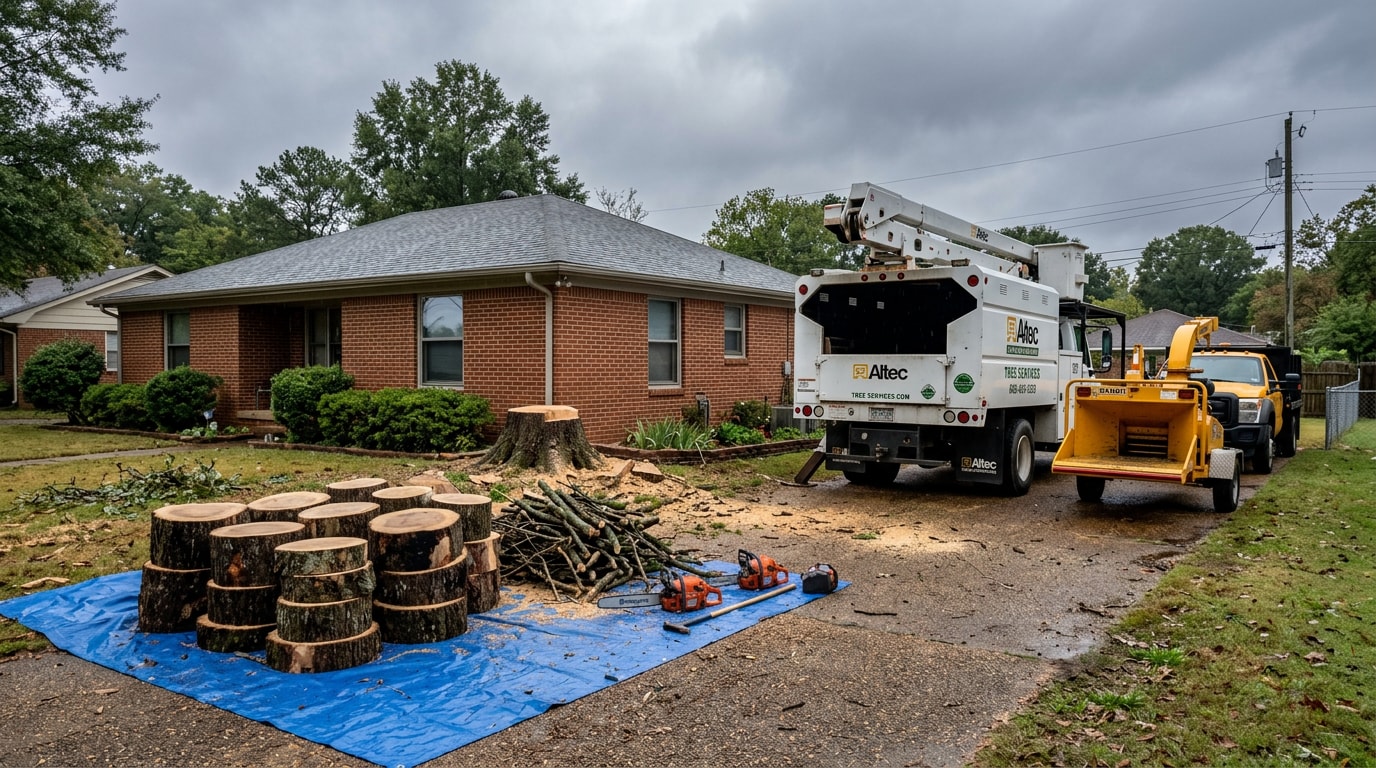
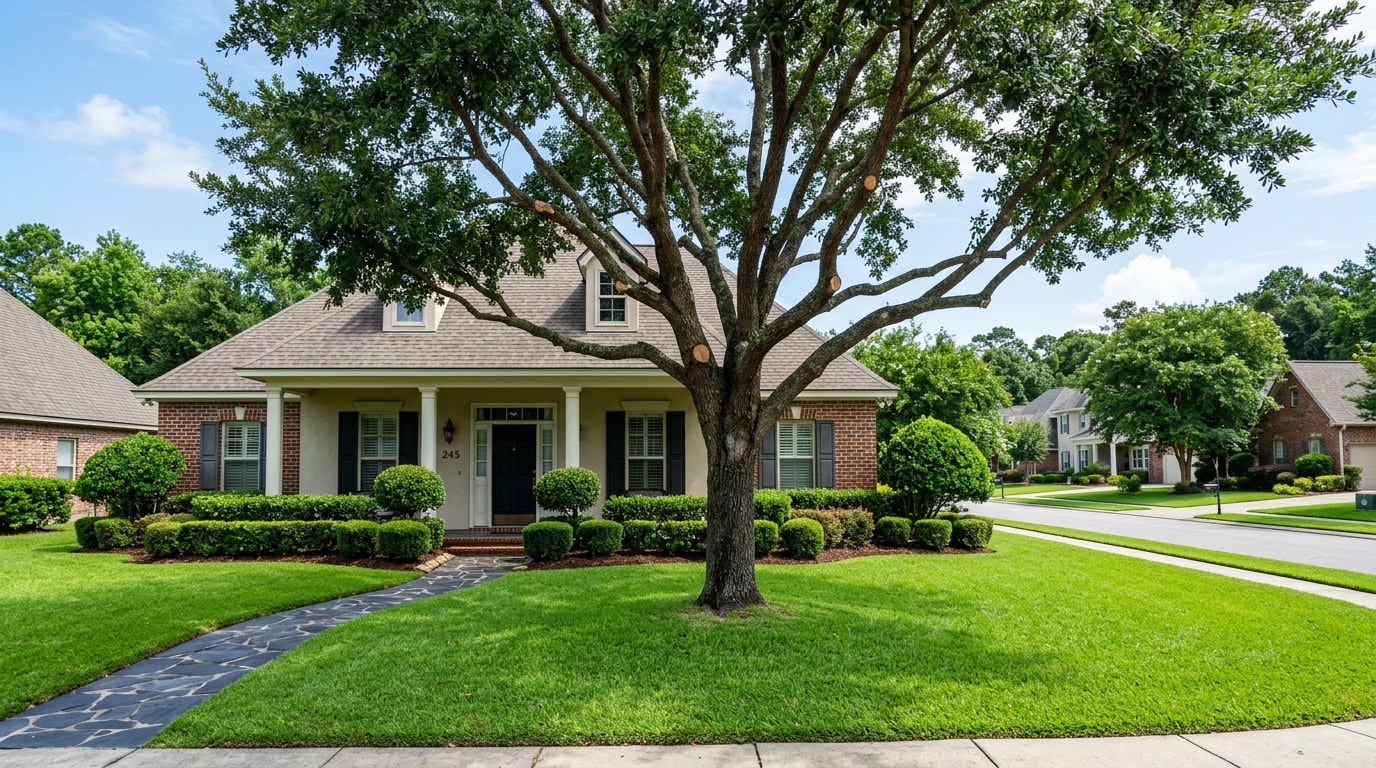
Tree and shrub pruning in Clinton, MS keeps storm-weak limbs off your roof and overgrown hedges off your walkway before either one turns into a bigger repair bill. Clinton's humid summers push fast, dense growth on live oaks, crepe myrtles, and foundation shrubs, so deadwood and crowded limbs build up faster here than in drier climates. This guide covers the warning signs, the actual trimming process, realistic cost factors, and the one licensing detail most homeowners never ask about.
Signs Your Trees or Shrubs Need Pruning
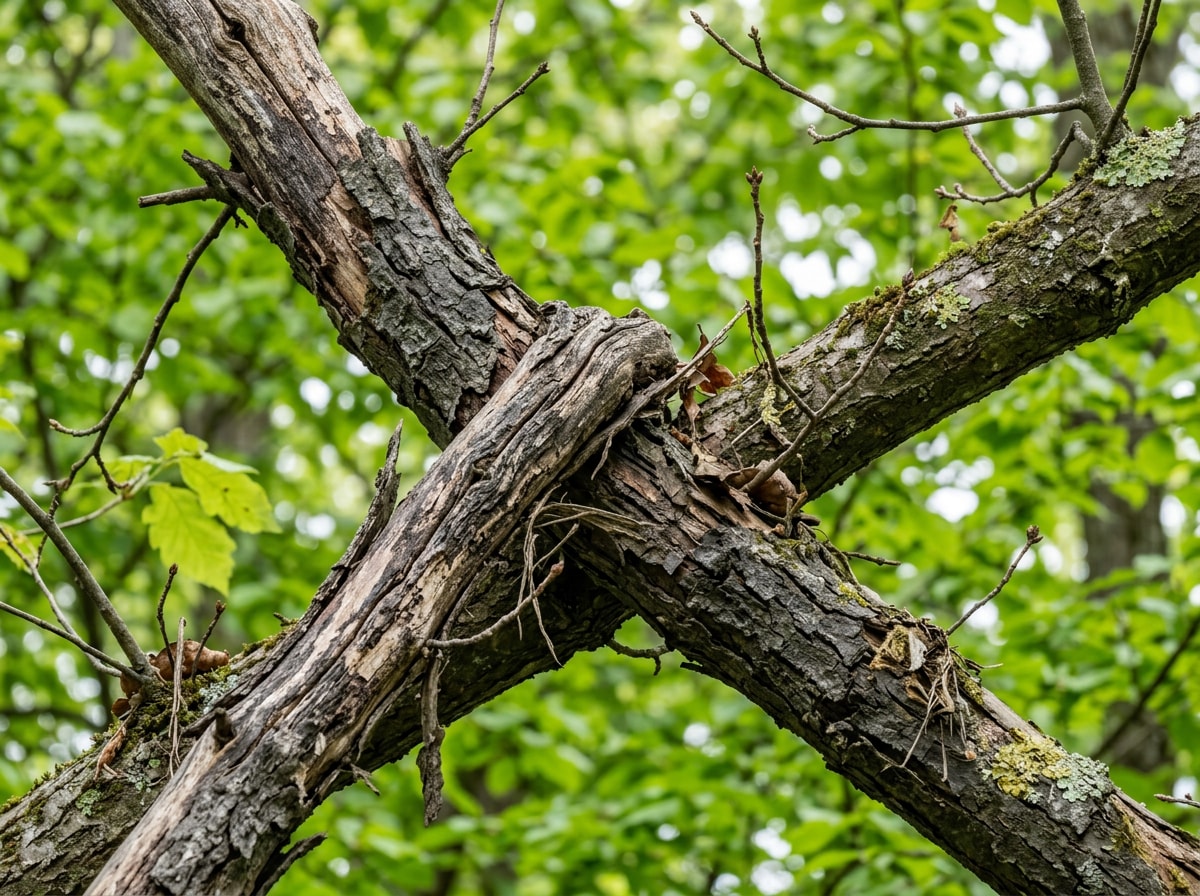
Most pruning calls start with one of a handful of visible problems: crossing branches, dead limbs, a canopy crowding the roofline, or shrubs so dense that light and air can't get through the middle. Pruning for health includes the removal of branches that cross or rub with others to minimize self-wounding. Left alone, those rubbing points turn into open wounds that invite rot and pests.
Homeowners often can't tell the difference between "this needs a trim" and "this tree is a hazard." Before making a pruning cut, it is important to assess the entire tree and surrounding site conditions, and it is critical to determine your objectives for pruning. That assessment is exactly what separates a simple trim from a tree that needs full removal.
Here's a quick way to tell the two apart:
- Needs pruning: isolated dead limbs, crossing branches, overgrown shape, blocked sightlines or sunlight, minor storm breakage.
- Needs removal: large cracks in the trunk, fungal growth at the base, more than 50% canopy loss, or a visible lean that keeps getting worse.
If you're seeing the second list more than the first, a trim won't fix it. In that case, tree removal is the safer call.
Benefits of Regular Tree & Shrub Pruning
Regular pruning protects the investment you've already made in your landscape, not just the look of it. Removing weak or dead limbs lowers the odds of a storm turning a loose branch into an emergency call after the next Mississippi thunderstorm. Hiring help makes the most sense when a tree is dead or dying, poses an unacceptable risk, is causing an obstruction, or is crowding other trees.
Routine shrub trimming also keeps plants producing healthy new growth instead of woody, overgrown stems that flower less every year. Well-maintained trees and shrubs boost curb appeal and can meaningfully affect how a home is perceived by buyers or neighbors.
Skipping pruning for a few seasons almost always costs more later. Small corrective trims turn into larger, more expensive restoration jobs once growth gets out of hand, which is why many Clinton homeowners pair routine tree trimming with an annual shrub maintenance visit.
The Clinton Tree & Shrub Pruning Process
A professional pruning visit follows a consistent sequence, whether the job is a single shade tree or a full foundation hedge line:
- On-site assessment — a crew evaluates structure, health, and surrounding obstacles before making a cut.
- Technique selection — crown thinning to improve airflow and light, crown reduction to manage size near structures or power lines, or shaping cuts for hedges and ornamentals.
- Correct cut placement — cutting too close to the trunk or leaving stubs invites decay, so cuts are made at the branch collar.
- Debris cleanup — limbs, leaves, and trimmings are hauled off, not left on the lawn.
Correct cut placement matters as much as the technique itself. Reputable crews never remove more than 25 to 30 percent of a tree's canopy in a single year , since over-pruning stresses the tree and can trigger a weak, fast-growing rebound instead of healthy structure.
Timing matters too. Late winter, before new spring growth begins, is usually the best window for structural pruning, while light shaping on shrubs can happen throughout the growing season. Our crews have pruned live oaks, crepe myrtles, and foundation shrubs across Clinton and the rest of Hinds County long enough to know that a rushed job in July almost always means a second visit in the fall.
Restoring Overgrown Trees and Shrubs in Clinton, MS
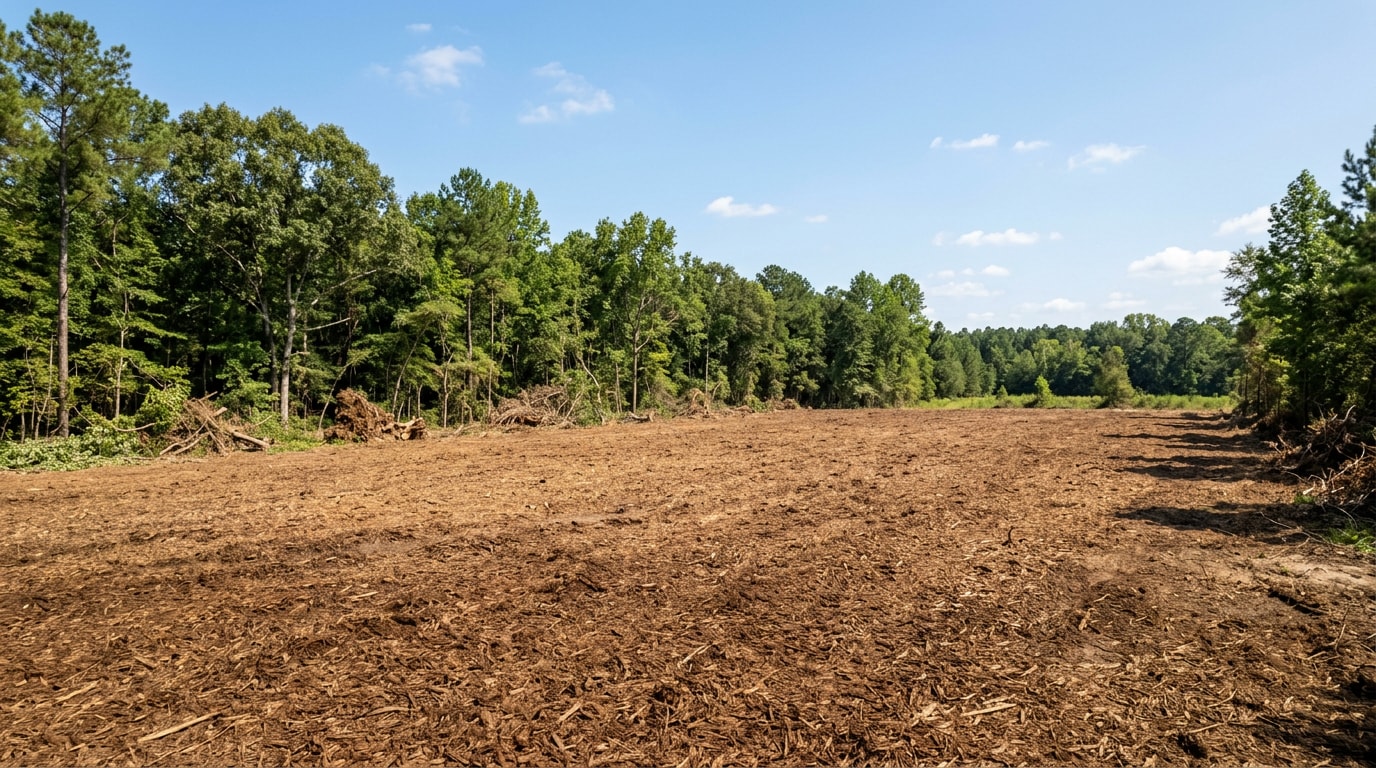
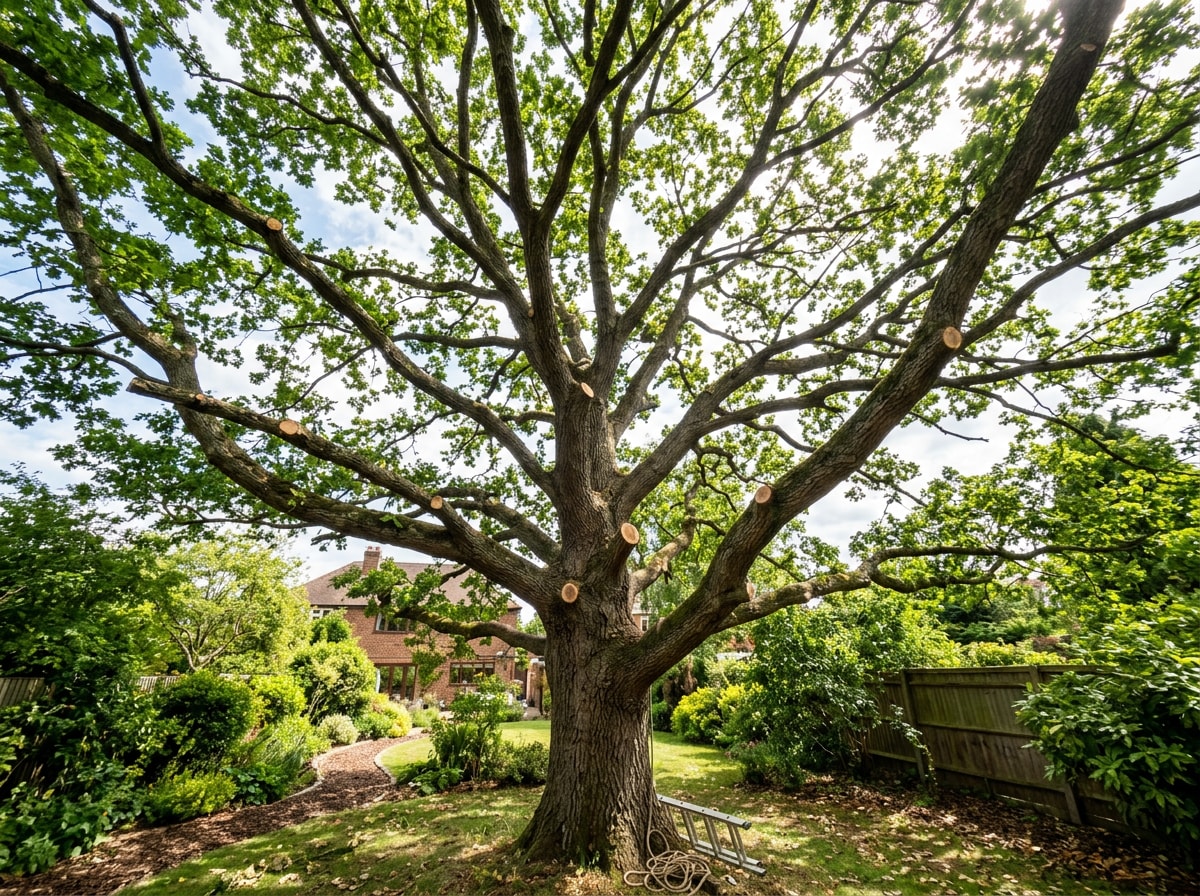
Years of skipped maintenance can leave a yard with canopy so dense that grass won't grow underneath, or shrubs so overgrown they block windows entirely. Restoring a neglected landscape usually takes more aggressive canopy thinning than routine maintenance pruning, plus reshaping cuts to bring plants back to a manageable form over one or two seasons rather than one.
The good news: once a landscape is restored, a regular pruning schedule keeps it from sliding back. Homeowners dealing with long-neglected trees or shrubs in Clinton, MS often find that a single thorough restoration visit, followed by routine maintenance, keeps both cost and plant stress lower going forward. If a restoration visit uncovers a dead stump left from a prior removal, our stump grinding and removal guide for Clinton walks through what that cleanup step typically involves.
How Much Does Tree & Shrub Pruning Cost in Clinton, MS?
Pruning costs in Clinton depend on a handful of factors, and they shift pricing in a different direction than tree removal, where trunk diameter and disposal logistics usually drive the quote instead.
| Pricing Factor | How It Affects the Quote |
|---|---|
| Tree or shrub size | Larger canopies and taller trees take more time and sometimes require aerial equipment. |
| Number of plants serviced | Per-visit pricing usually drops as more trees or shrubs are added to one appointment. |
| Accessibility | Shrubs against fences or trees near power lines add labor time and caution. |
| Maintenance history | Properties on a regular schedule generally cost less per visit than one-time overgrown cleanups. |
| Debris volume | More material to haul off (common on first-time restorations) increases the total. |
A single mature tree pruning visit tends to cost less than a comparable removal, since there's no stump grinding or full trunk disposal involved. Shrub trimming is generally priced per plant or by the linear foot for hedges. Because pricing varies by property, the most reliable way to budget is to request a free estimate based on an on-site look at your specific trees and shrubs.
Is a License Required for Tree Pruning Companies in Mississippi?
This is the one question most homeowners never think to ask, and it has a real answer. Anyone who advertises as a licensed, bonded, or insured tree surgeon and gets paid for pruning, cabling, bracing, trimming, or removal of ornamental trees and shrubs in Mississippi is required to hold a Tree Surgery License (TSL) issued through the Mississippi Department of Agriculture and Commerce Bureau of Plant Industry. That's a statutory requirement, not just a best practice.
Arborist credentials aren't presently required for the TSL itself, but the Mississippi Forestry Commission promotes hiring companies that also have ISA-certified professionals on staff. Asking a company for proof of their TSL number and general liability insurance before booking is a reasonable, common request, and it protects you if an accident or property damage happens during the job.
Frequently Asked Questions
What are some commonly found trees in Clinton that need pruning?
Clinton yards commonly feature southern live oak, crepe myrtle, loblolly pine, and various magnolia species. Pines generally need less frequent shaping, while crepe myrtles and oaks benefit from more deliberate crown thinning to maintain healthy structure.
When is the best time of year to prune trees in Mississippi?
Late winter, while trees are dormant and before spring growth begins, is the best window for structural pruning on shade trees. Light shaping on shrubs and hedges can happen throughout the growing season without the same risk.
Will I need a permit to prune or trim a tree in my yard?
Routine pruning on private property typically doesn't require a city permit in Clinton, unlike full tree removal in some cases. Check for HOA tree rules or local ordinance protections on heritage or street-adjacent trees before cutting; our Clinton, MS service area page covers local coverage details.
How often should I schedule tree pruning in Clinton?
Most shade trees do well on an annual pruning schedule, with shrubs trimmed more frequently depending on species and desired shape. Removing small dead branches as soon as they're spotted prevents larger structural problems down the road.
Do I need to be home during the pruning appointment?
You don't have to be present during the appointment itself, as long as the crew has clear access to the work area and gates are unlocked. Many homeowners prefer to be home for the initial walkthrough to point out specific concerns, then step away while the crew works.
How does palm tree trimming pricing compare to standard pruning?
Palm tree trimming is usually priced separately from standard hardwood pruning because of the specialized technique and equipment required for tall, fibrous trunks. Costs tend to run higher per tree than typical shrub trimming, particularly for taller palms that require lift equipment. For an accurate number based on your specific trees, visit our homepage or browse our full tree service offerings to request a quote.